Rise of Virtual Celebrities and the Future of AI Stardom
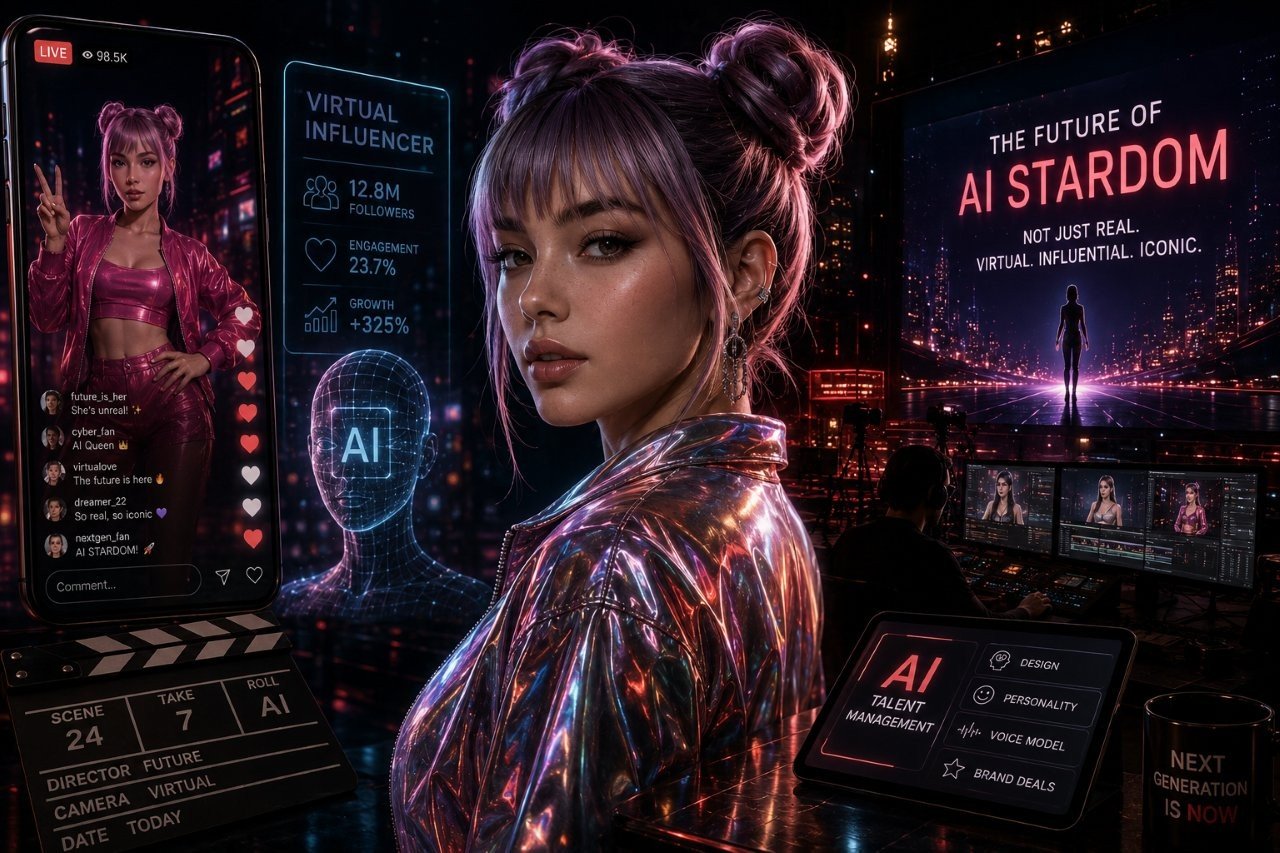
The definition of global celebrity status is undergoing its most radical transformation since the invention of sound cinema. In 2026 and beyond, some of the world’s most sought-after fashion icons, recording artists, and brand ambassadors do not exist in physical reality. Powered by hyper-realistic computer graphics, natural language models, and advanced motion capture, virtual celebrities are commanding multi-million-dollar endorsement portfolios and captive global fanbases.
From digital models walking virtual luxury runways to synthetic pop stars conducting live interactive broadcasts, AI-driven stardom is reshaping global entertainment economics. Here is an in-depth look at how virtual celebrities are constructed, why major studios and global brands are investing heavily in synthetic talent, and what this shift means for human stardom.
The Evolution of Synthetic Talent and Digital Avatars
Virtual influencers originally began as static computer-generated imagery assets managed manually by creative agencies. Today, technological advancements have turned static avatars into fully autonomous, real-time interactive personalities capable of engaging with fans across multiple platforms simultaneously.
Core Pillars of Modern AI Stardom
- Hyper-Realistic Rendering: Photorealistic skin textures, light reflection algorithms, and fluid facial animations make digital stars virtually indistinguishable from human talent in photos and videos.
- Natural Language Processing: Generative conversational engines allow virtual figures to reply to fan comments, host live streams, and deliver personalized fan interactions in dozens of languages.
- Cultural Storytelling: Every major virtual celebrity is backed by a dedicated team of scriptwriters and creative directors who construct rich backstories, distinct values, and evolving personal style narratives.
Market studies published on TechCrunch highlight how digital talent agencies are scaling virtual personas to capture massive global youth audiences across streaming and social platforms.
Why Global Brands Are Shifting Capital to Virtual Stars
For international corporations, working with human talent carries unavoidable risks including schedule conflicts, physical exhaustion, geographical limits, and unpredictable personal conduct. Virtual celebrities eliminate these operational bottlenecks while offering complete creative precision.
Commercial Advantages of Virtual Celebrity Endorsements
- Zero Physical Constraints: A virtual star can simultaneously appear in a live broadcast in Tokyo and feature in an augmented reality campaign in New York without travel logistics.
- Brand Safety Assurance: Digital personas follow precise creative scripts, eliminating brand risk associated with unexpected scandals or unscripted controversies.
- High Production Scalability: Global advertising assets can be updated, localized, and rendered in minutes rather than requiring weeks of location shooting.
According to entertainment coverage in Forbes, brand spending on synthetic talent and virtual creators continues to grow as companies seek predictable, high-impact marketing assets.
The Hybrid Era How Human Celebrities License Their Digital Likeness
AI stardom is not merely about creating fictional characters from scratch. Top-tier Hollywood actors, musicians, and professional athletes are actively licensing their own physical likenesses and voice profiles to create official digital clones.
New Revenue Streams for Human Stars
- Simultaneous Multi-Market Appearances: A celebrity’s verified AI avatar can star in localized global commercials while the physical actor shoots a film on location.
- Interactive Gaming and Metaverse Experiences: High-definition digital avatars allow fans to interact directly with stars inside immersive gaming environments and virtual concerts.
- Perpetual Estate Monetization: Artists and performers can secure long-term digital rights, allowing their likenesses to continue performing in approved cinematic or musical projects for generations.
Ethical Considerations and the Future of Entertainment
As virtual celebrities become mainstream cultural figures, regulators and industry guilds are establishing clear guidelines around disclosure, digital ownership, and image rights. Platforms are increasingly adopting synthetic media tags so audiences can instantly identify AI-generated content.
While human connection, raw emotion, and organic artistic expression will always form the heart of global pop culture, virtual celebrities are proving to be powerful extensions of the entertainment industry. The future of stardom will not be a battle between human and synthetic creators, but a collaborative landscape where both co-exist to entertain audiences worldwide.