The Future of Cinematic Franchises: How Studios Are Balancing Nostalgia and New IP
The cinematic landscape of 2026 stands at a critical turning point. For over a decade, major Hollywood studios relied heavily on guaranteed intellectual property, endless sequels, and nostalgic reboots to secure box office dominance. However, shifting audience expectations and widespread sequel fatigue have forced studio executives to fundamentally reconsider their long-term content strategies.
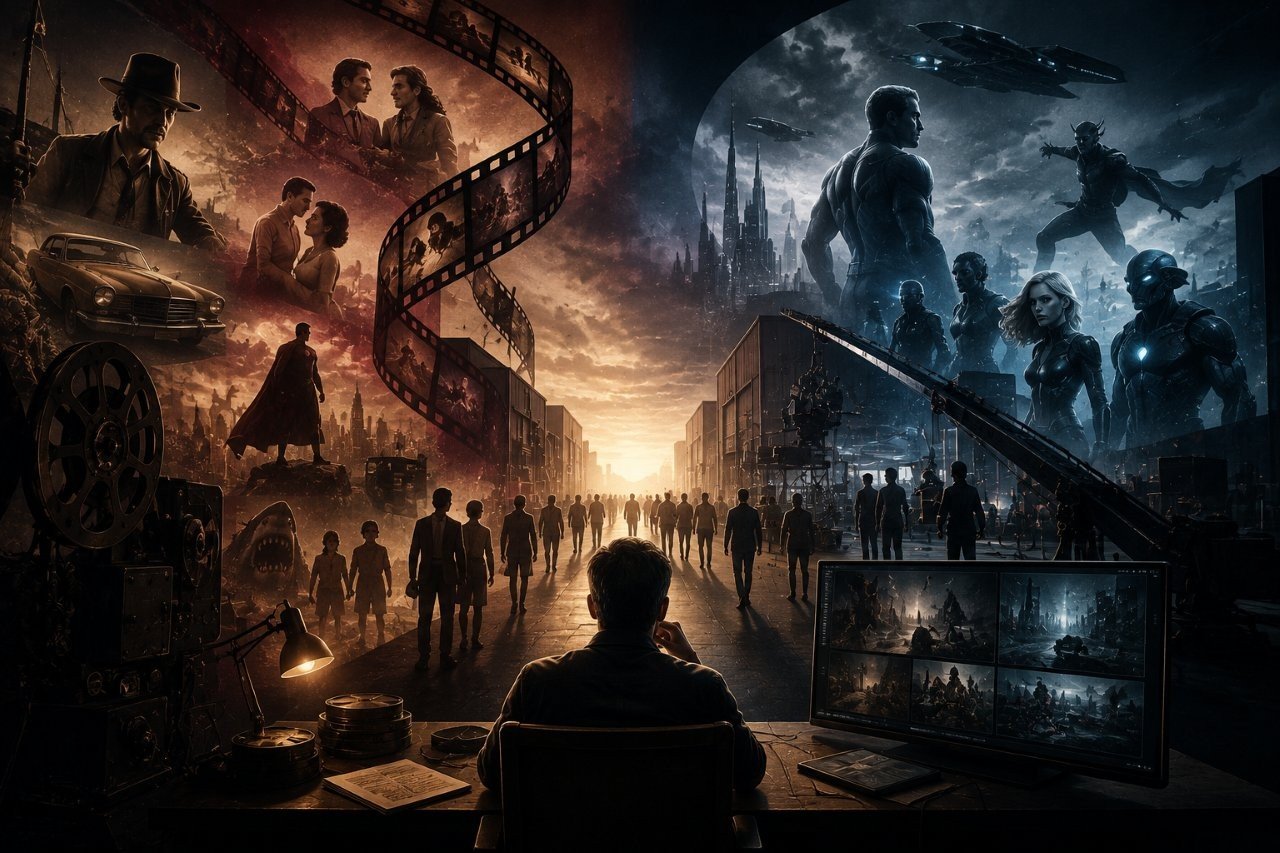
Today’s moviegoers demand a balance between familiar cinematic universes and original, high-concept storytelling. To maintain commercial viability, entertainment companies are learning to weave nostalgic elements into fresh narratives while building sustainable, creator-driven franchises. Here is how modern studios are adapting to secure the future of global cinema.
Combating Sequel Fatigue with Original Storytelling
Audiences are no longer satisfied with predictable storylines simply because they feature beloved legacy characters. The modern box office rewards innovation, bold artistic choices, and genuine emotional stakes over uninspired studio rehashes.
Strategies for Refreshing Legacy Content
- Genre Deconstruction: Subverting traditional superhero or sci-fi tropes to deliver unexpected, high-stakes narratives.
- Director-Driven Universes: Empowering auteur filmmakers to bring distinct visual styles and creative independence to major studio IPs.
- Standalone Origins: Creating self-contained films within larger universes that do not require extensive background viewing.
Industry analysis from Variety highlights how studios prioritizing creative originality over formulaic writing are outperforming traditional blockbusters at the global box office.
Building Sustainable Cinematic Universes
The era of rushing multi-film interconnected cinematic universes without a clear foundation has come to an end. Modern franchise management focuses on deliberate, quality-first universe expansion rather than overwhelming audiences with interconnected homework.
Key Elements of Next-Generation Franchises
- Focused Multi-Platform Expansion: Coordinating film releases with high-budget television series without alienating casual theatrical viewers.
- Character-Centric Lore: Developing deep character arcs that justify multi-movie investments rather than relying solely on CGI spectacles.
- Sustainable Release Schedules: Spacing out tentpole releases to prevent brand burnout and maintain long-term audience enthusiasm.
Coverage on The Hollywood Reporter showcases how streamlined release calendars are helping studios rebuild trust with international audiences.
The Value of Fresh Intellectual Property
While legacy franchises provide built-in brand awareness, investing in new, risk-taking intellectual property is essential for long-term industry growth. The biggest blockbusters of tomorrow depend on the original concepts greenlit today.
How Studios Mitigate Risk on New Concepts
- Mid-Budget Concept Testing: Utilizing mid-budget genre films to test new worlds before committing to massive tentpole budgets.
- Cross-Media Adaptations: Optioning critically acclaimed video games, graphic novels, and web series with established, passionate fanbases.
- Global Co-Productions: Partnering with international production houses to create culturally resonant, cross-border cinematic hits.
The Future Horizon of Studio Storytelling
The future of cinematic franchises relies on a delicate harmony between respect for legacy and a commitment to innovation. By honoring what made classic characters iconic while allowing new stories to take bold creative risks, studios can ensure the moviegoing experience remains vibrant, surprising, and commercially successful for generations to come.