How FAST Platforms Are Replacing Traditional Cable TV
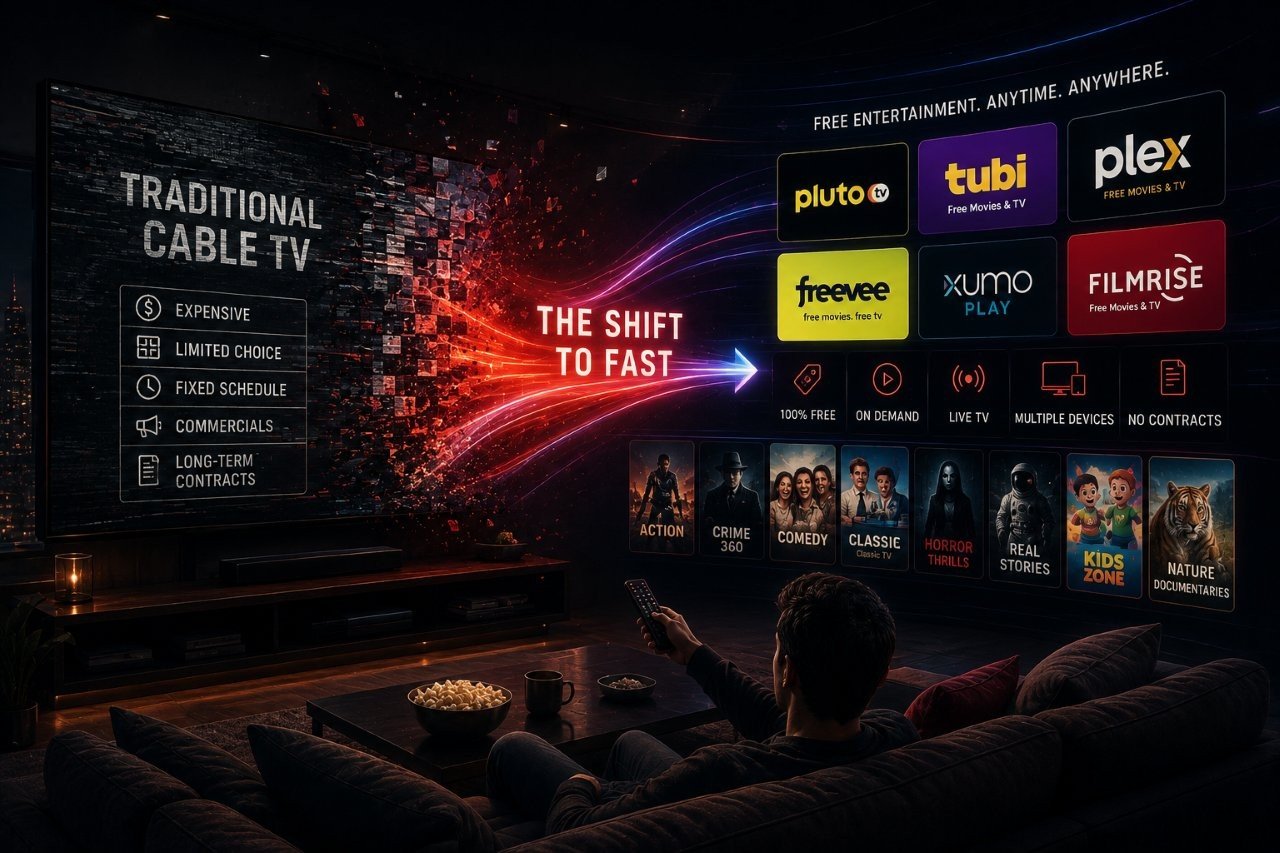
The traditional pay-TV cable bundle is experiencing a historic decline as cord-cutting continues to accelerate worldwide. In its place, Free Ad-Supported Streaming TV platforms—commonly known as FAST—have rapidly emerged as the primary destination for linear viewing, blending zero-cost accessibility with the familiar feel of channel surfing.
Led by major aggregators like Tubi, Pluto TV, The Roku Channel, and Samsung TV Plus, the FAST ecosystem delivers thousands of curated live channels and deep on-demand libraries without requiring a paid subscription. Driven by rising subscription fatigue and massive programmatic ad revenue growth, free ad-supported streaming is officially redefining modern television distribution.
The Rise of Free Ad-Supported Streaming
As monthly costs for paid subscription video-on-demand services continue to climb, consumers are reassessing their entertainment budgets. FAST platforms offer an immediate alternative by eliminating monthly bills entirely while providing high-quality television content funded exclusively through ad inventory.
Key Factors Driving FAST Adoption
- Subscription Fatigue: Audiences are actively reducing the number of paid streaming apps they manage each month, turning to zero-cost solutions.
- Zero Barrier to Entry: FAST platforms do not require credit cards, account logins, or long-term contracts to start streaming immediately.
- Smart TV UI Integration: Television manufacturers integrate FAST services directly into default TV home screens, making content discovery effortless.
Market data published on Screen Daily confirms that free streaming services are capturing a growing percentage of overall connected-TV viewing share relative to traditional cable networks.
The Power of Live Linear Channels and Lean-Back Viewing
While on-demand catalog browsing offers maximum choice, it often leads to decision paralysis. FAST services solve this problem by reviving the classic linear channel guide, allowing viewers to lean back and tune into continuously playing, scheduled programming.
Why Linear FAST Channels Appeal to Audiences
- Curated Genre Hubs: Platforms offer single-IP channels dedicated exclusively to specific series, news networks, reality shows, or sports loops.
- Passive Background Entertainment: Linear programming serves as convenient, low-effort viewing for everyday casual watch time.
- Nostalgia and Familiarity: Replicating the nostalgic experience of cable channel surfing recreates the classic television habit without high monthly fees.
Detailed industry analysis on Variety demonstrates how studio owners monetize dormant content libraries by licensing back-catalog shows to linear FAST providers.
Ad Revenue Growth and Modern Advertiser Demand
As traditional cable viewership drops, brand advertisers are reallocating massive ad budgets into connected-TV channels. FAST services offer advertisers targeted programmatic placement and digital measurement capabilities that linear broadcast cable cannot match.
Advantages for Advertisers on FAST Platforms
- Targeted Dynamic Ad Insertion: Advertisers deliver hyper-relevant ad spots tailored directly to user location, device habits, and content preferences.
- Incremental Reach for Cord-Cutters: FAST apps allow brands to reach younger, price-conscious demographics who have completely abandoned traditional cable.
- Premium Commercial Load Management: By keeping commercial breaks shorter than traditional cable TV, FAST apps maintain higher ad completion rates.
The Future Outlook for FAST and Cable TV
The rise of FAST platforms marks a permanent shift in home entertainment economics. By offering zero-cost viewing, seamless smart-TV integration, and optimized programmatic ad inventory, free ad-supported streaming platforms are solidifying their position as the true modern replacement for traditional cable TV.